
Mold and Mildew Health Hazards and Prevention
Mold and mildew often grow in damp indoor areas and may affect air quality over time. Exposure may lead to allergy symptoms, breathing discomfort, eye irritation, and other health concerns for some people. Learning about common causes, warning signs, and prevention methods helps homeowners make informed decisions about indoor environments and moisture problems.
Teasdale Fenton Cleaning & Property Restoration provides information about mold-related health risks, prevention tips, and different types of mold found in homes. We also explain professional remediation approaches and situations that may require professional mold removal.
513-463-1797Health Problems Linked to Mold and Mildew Exposure
Indoor mold and mildew growth may affect people in different ways based on individual sensitivity and the level of exposure. Understanding common health concerns helps property owners recognize possible effects of mold and mildew and identify moisture issues before indoor conditions become more serious. Common symptoms and health concerns associated with mold and mildew exposure include the following.
Sneezing, itchy eyes, a runny nose, and skin irritation may occur after exposure to mold and mildew.
Coughing, wheezing, shortness of breath, and throat irritation may develop with ongoing exposure to mold and mildew.
People with asthma may experience more frequent or severe symptoms after exposure to mold and mildew spores.
Direct contact with mold and mildew may cause red eyes, itching, watery eyes, and skin irritation.
Sinus congestion, facial pressure, and discomfort may develop in individuals sensitive to mold and mildew.
Indoor mold and mildew growth may increase the risk of fungal infections and weakened immune systems.
Causes of Mold and Mildew Growth
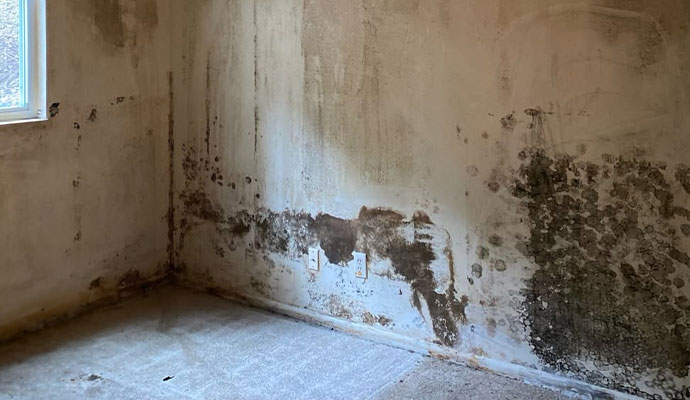
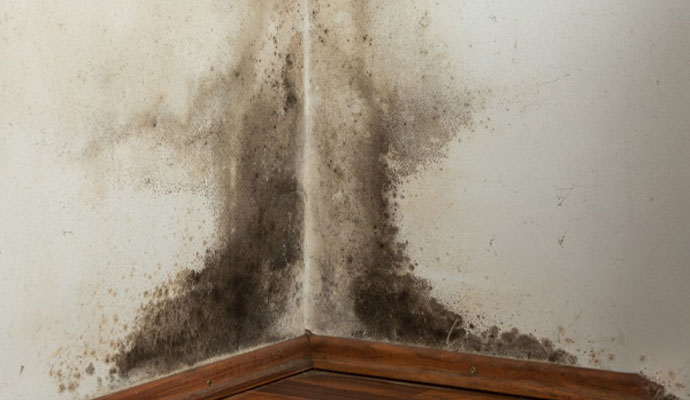
Mold and mildew are fungi that grow in damp indoor environments where moisture remains on surfaces. Mold often appears in a variety of colors and may spread into porous materials such as drywall and wood. Mildew usually develops as a light colored surface growth in humid areas with limited airflow.
Both are signs of excess moisture inside a property and may affect indoor air quality over time. Learning how mold and mildew develop helps property owners recognize early warning signs and reduce conditions that encourage indoor fungal growth.
Why Mold and Mildew Grow Indoors
Indoor mold and mildew grow when moisture remains on surfaces for an extended period. Damp building materials, humid conditions, and limited airflow create an environment where fungal growth becomes more likely. Recognizing common moisture sources helps property owners identify areas that may need attention before mold spreads. Common causes of indoor mold and mildew growth include the following.
Plumbing Leaks
Leaking pipes and plumbing fixtures leave moisture behind that encourages mold growth indoors.
Roof Leaks
Water entering through damaged roofing materials may dampen ceilings, walls, and attic spaces.
Flooding
Floodwater soaks building materials and creates conditions where mold may develop after drying.
High Humidity
High indoor humidity increases moisture levels on surfaces throughout the home.
Condensation
Water collecting on windows, pipes, and other cool surfaces creates damp areas for mold.
Poor Ventilation
Limited airflow allows moisture to remain in enclosed spaces throughout the home.
Wet Areas
Steam and everyday water use create humid conditions for mold and mildew growth.
Basements Mold
Basements often retain excess moisture, creating conditions that encourage mold growth.
Reduce the Risk of Mold with Proper Moisture Control
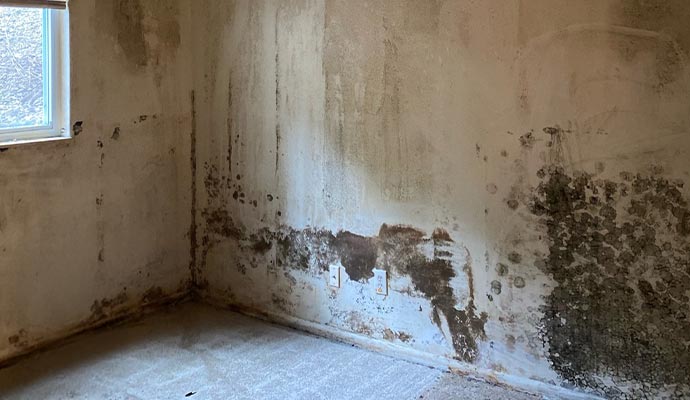
Moisture control helps reduce mold and mildew growth. Regular inspections and routine maintenance identify moisture problems before fungal growth spreads indoors. Helpful ways to reduce mold and mildew growth include the following.
- Address water intrusion before moisture leads to mold and mildew growth.
- Use exhaust fans in restrooms, kitchens, and other high-moisture areas.
- Dry wet flooring, drywall, and building materials after water exposure.
- Keep gutters and drainage systems clear to direct water away from the building.
- Inspect basements, crawl spaces, and other moisture-prone areas for dampness.
Mold Problems that Require Professional Remediation
Our licensed professionals use specialized methods to address affected areas and help improve indoor conditions. Common situations that may require professional services include the following.
Black Mold Remediation
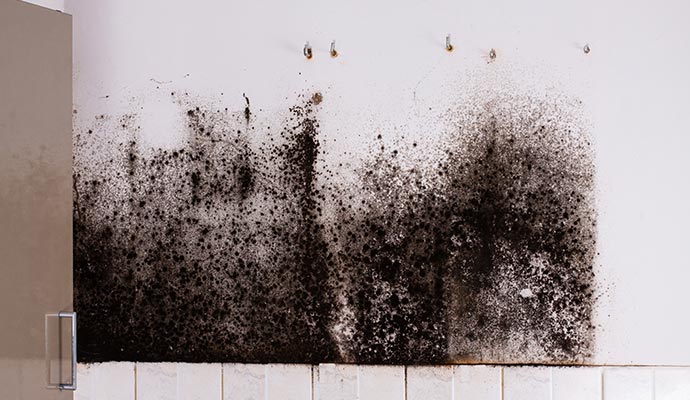
Black mold growth often requires specialized remediation procedures to address affected building materials.

Mold Structural Damage
Mold affecting wood, drywall, insulation, or other structural materials may require professional remediation.
Mold Decontamination
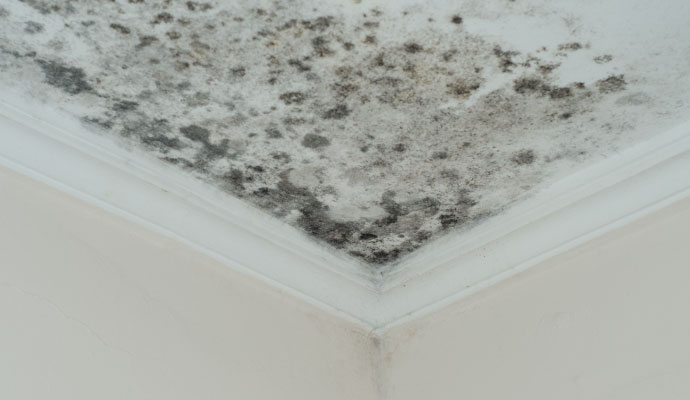
Widespread mold contamination often requires detailed cleaning and removal throughout affected indoor areas.
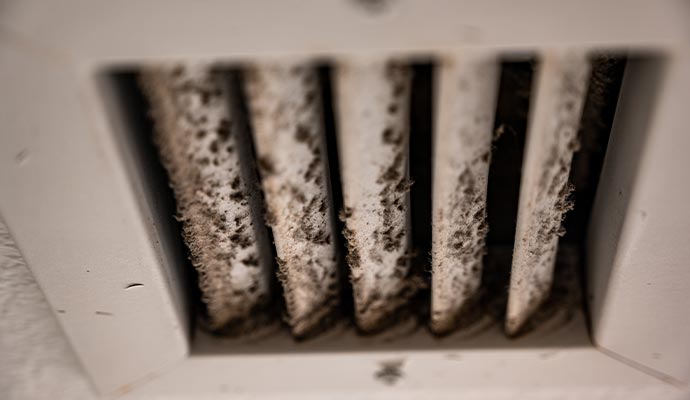
HVAC Mold Remediation
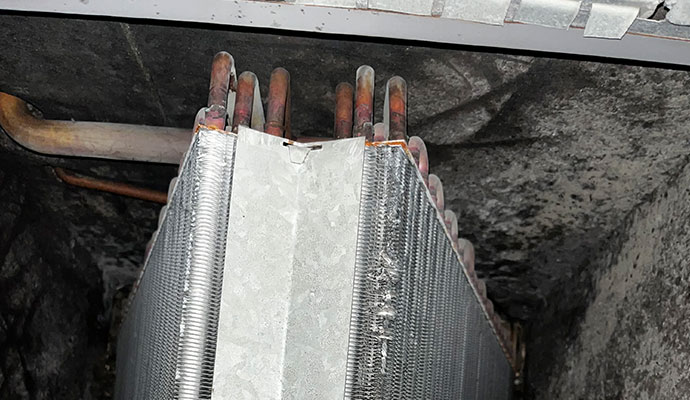
Mold inside HVAC systems may spread spores through indoor air during normal system operation.

Professional Cleanup and Remediation for Structural Mold
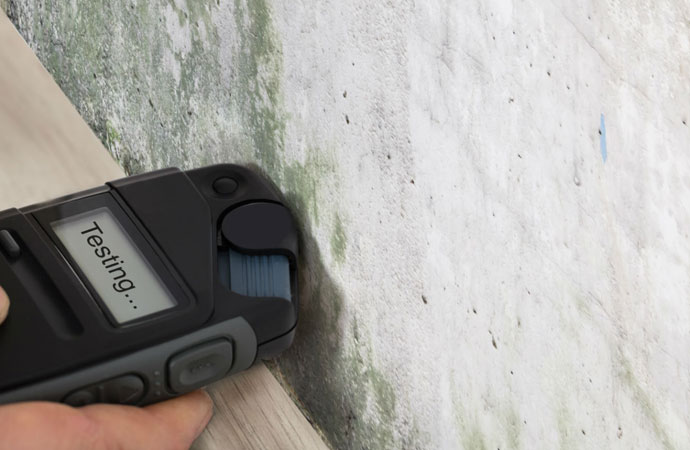
Our team provides mold remediation involving small areas as well as widespread contamination. Independent third-party mold testing identifies the source and affected locations before our licensed team begins the remediation using industry procedures.
Our professional mold remediation is recommended for homes and businesses affected by different kinds of mold, structural mold damage, mold contamination, or HVAC mold issues. This helps remove contaminated materials and improve indoor environmental conditions.
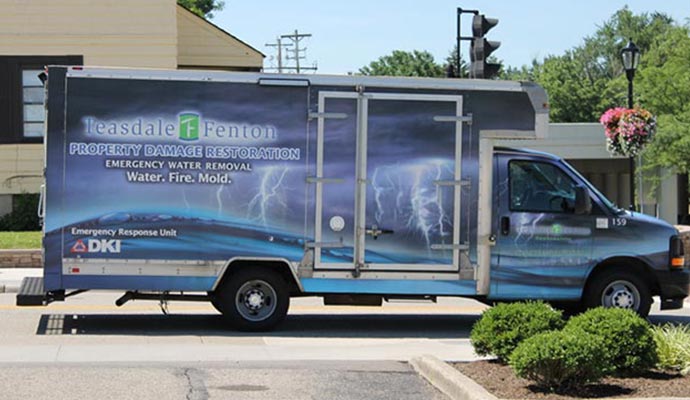
Call Us for Mold Remediation in Cincinnati, Columbus, and Sarasota
Mold and mildew problems should be addressed before moisture-related damage spreads throughout a property. Teasdale Fenton Cleaning & Property Restoration provides professional mold remediation services for homes and businesses affected by indoor mold growth and contamination.
Contact us for a free estimate or consultation in Cincinnati, Columbus, Sarasota, and surrounding Ohio and Florida cities. A cleaner indoor environment begins with a professional evaluation and a custom remediation plan.
513-463-17974.97 out of 405 reviews

Other pages you may be interested in...